Editorial information
Pace, demands and flexibility: three things that can transform a day abroad
Sometimes you do not need a different attraction, but a different way of getting there and spending time in it. Practical tools for understanding the day and deciding when to continue or change course.
AUTOURISM · 6 minute read
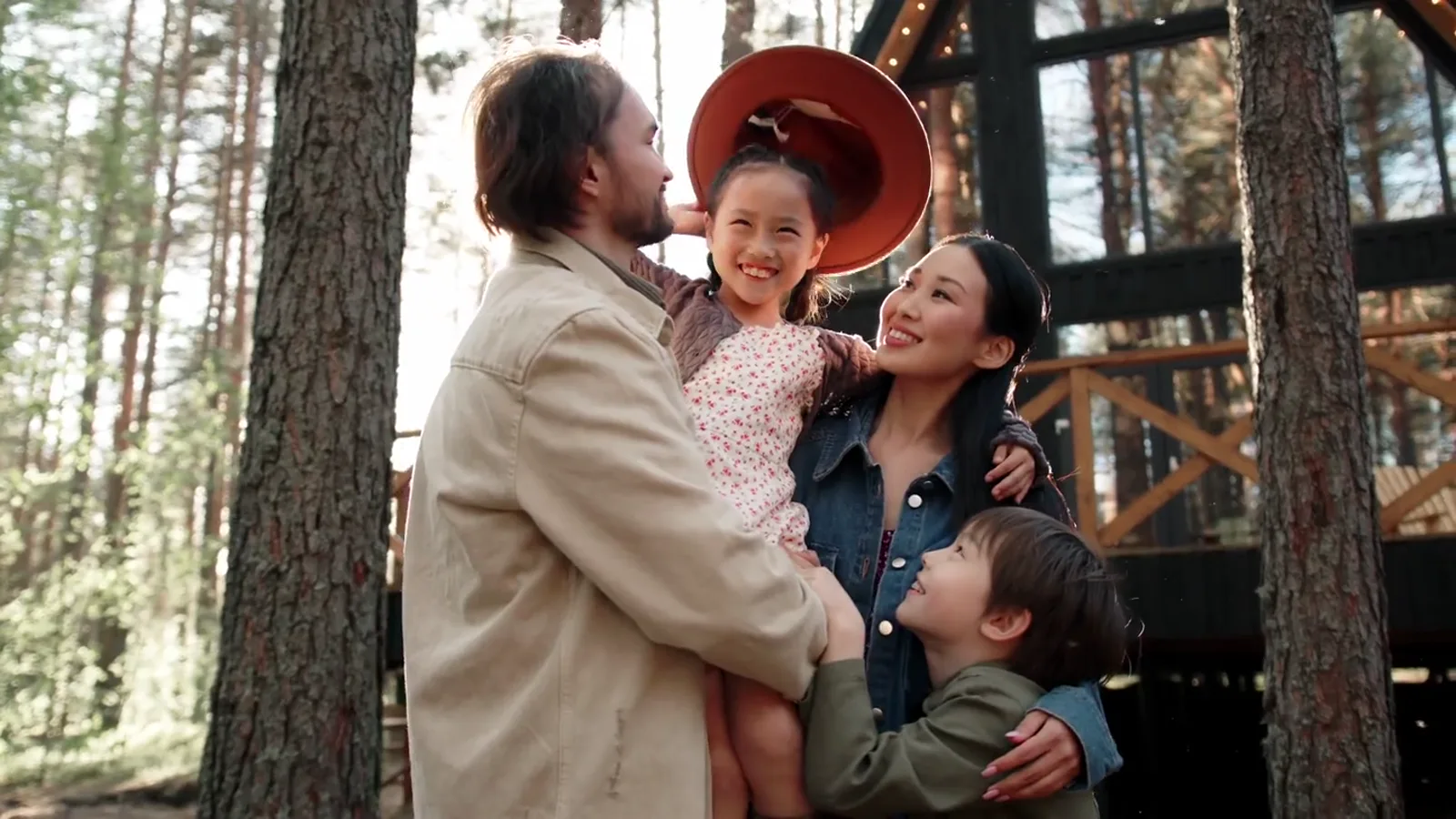 Atmosphere footage
An AUTOURISM editorial article. General travel-planning information, not medical advice or a promise of specific services.
The same place, a completely different day
Two families can visit the same park and come away with different experiences. Even the same family may enjoy it one day and prefer to leave on another. The difference is not necessarily the quality of the place or the amount of preparation. It may come from the time of day, the journey to the entrance, hunger or how many decisions everyone has already made. That is why looking beyond a list of attractions helps.
Three ideas help make sense of a day: pace, cumulative demands and flexibility. Pace describes how quickly you move between things. Demands include everything that builds up, even enjoyable experiences. Flexibility means being able to make a change that works in practice. These are not diagnostic rules or a formula for a child’s behaviour. They are shared language that can help adults choose the next step more practically and respectfully.
Pace includes the number of transitions
A day with two long activities may be easier than one with six short stops. Every stop involves getting organised, leaving, finding the way and becoming familiar with another place. If you measure pace only by activity hours, you miss the work between destinations. Try counting how often everyone has to stop one thing and begin another, not just the time spent outside the hotel.
You can slow down without staying in your room: choose one neighbourhood, eat near the activity and avoid an unnecessary trip back to the vehicle. Within a venue, decide in advance that you do not have to see every area. If you find a corner that interests your child and their siblings, you can stay there. A ticket covering a whole complex does not require using every facility, and leaving early does not mean the visit had no value.
Demands are not only about noise or crowds
A quiet place can take considerable effort if it is unclear what to do, the wait has no known end or many questions are being asked. A busy place, by contrast, may feel good to a child who knows and chooses the activity. Describe what actually happens rather than assuming a quiet environment is always easy and an active one always difficult.
Think back over the last few hours: an unfamiliar journey, a change to a meal, meeting new people, choosing a souvenir and queuing. Each may be manageable on its own, yet together they ask a lot. Positive excitement takes energy too. Looking at the accumulation helps explain why the apparently simple request to enter one more shop may come at the wrong moment, without blaming the shop alone.
Pace is how quickly you move, demands are what builds up along the way, and flexibility is the ability to change without starting the day again.
Notice patterns without turning it into surveillance
Knowing your family helps you recognise when to ask a question, offer a break or reduce the options. For one child, shorter answers may suggest slowing down; for another, that is simply how they enjoy the view. Movement, silence or wanting to repeat something are not inherently problems to correct. Look for a change relative to this child and this particular day, not a universal checklist of signs.
Ask simply and directly: would you like to carry on here, sit down or leave? Someone who prefers visual communication can choose between familiar pictures or symbols. A full explanation is not required before a request to stop deserves respect. If your child does not want to answer, reduce the demand and make a temporary decision as the adults. The aim is not to extract an exact account of feelings, but to make the next moment easier.
Flexibility needs a clear contact and a way back
“We’ll be flexible” sounds reassuring, but it is not enough when you are far from the hotel with timed tickets. Real flexibility begins with information: where the exit is, when the transfer leaves, what can be cancelled and who needs to know about changes. Before a complicated activity, establish whether it can be shortened and whether everyone must leave together or a split has been agreed in advance.
On an organised trip, check what is included and what requires coordination with staff and providers. Do not assume a spare vehicle, additional accompanying staff member or children’s programme is available at every moment. Services vary, and any responsibility for children is limited to what has been explicitly agreed. Sometimes the available flexibility means sitting to one side until the shared departure, not returning to the hotel immediately. Knowing this beforehand supports a realistic choice.
Use a brief decision process
When everyone is tired, a long debate about every option’s advantages and disadvantages adds to the demands. Agree three possible responses: continue as planned, reduce the activity, or finish and move on. These are practical options for the family, not levels of the child’s success. If an area becomes more crowded, for example, you might move to another part of the same venue before deciding to leave altogether.
Agree beforehand which adult checks information and who stays with the children while a decision is made. Offer one or two workable choices, not ten ideas. Once you choose, give the change time to help before repeatedly asking whether things feel better. You can also decide only about the next twenty minutes rather than the whole day. This keeps the change small and understandable.
What a small change looks like in a real day
Imagine a morning planned around a museum, a meal and a boat trip. The museum journey takes longer than expected, and the entrance queue moves slowly. Instead of insisting on the original plan or cancelling everything immediately, ask what still matters: perhaps one exhibition the children want to see. Shorten the visit, eat nearby and check the boat trip’s conditions before deciding whether to continue.
If changing the boat trip means losing the tickets, that is a financial fact to consider, not proof that you must board. And if everyone is enjoying themselves and wants to continue, there is no need to stop solely because the original schedule included a break at a certain time. Flexibility works both ways. It allows you to let go when needed and stay with a good moment while conditions and commitments allow it for your family.
Give tomorrow a good starting point
At the end of the day, examine the structure rather than scoring people. Were there too many transitions? Was the meal too late? Did too many choices create confusion? Write down one conclusion and use it tomorrow. A difficult day does not prove the destination is unsuitable, and a good one does not mean you can pile on unlimited activities. Each day begins with different circumstances.
Family members are also entitled to remember the same day differently. One loved the boat trip, another preferred time in the room, and a parent was glad they managed to change plans without a lengthy argument. All these memories are valid. Treating pace, demands and flexibility as tools rather than a test lets you build days with both interest and room to breathe. Not to avoid every difficulty, but so your family can keep choosing how it wants to travel together.
Related information
A different way to travel: building a day with both experiences and breathing space
A good day abroad is not measured by the number of attractions you visit. Here is how to plan around one clear focus, genuine breaks and room to change direction without feeling that everything has gone wrong.
What really makes a hotel a good choice for a family with an autistic child?
Behind the pool and bedroom photographs lie everyday questions: where you eat, how long you wait and what you hear at night. A practical guide to choosing a hotel around real family life.