Editorial information
Behind the scenes: how to assess a destination before it becomes a trip
An attractive destination is only the starting point. A practical look at transport, accommodation, activities and providers, and the difference between information gathered and a confirmed service.
AUTOURISM · 6 minute read
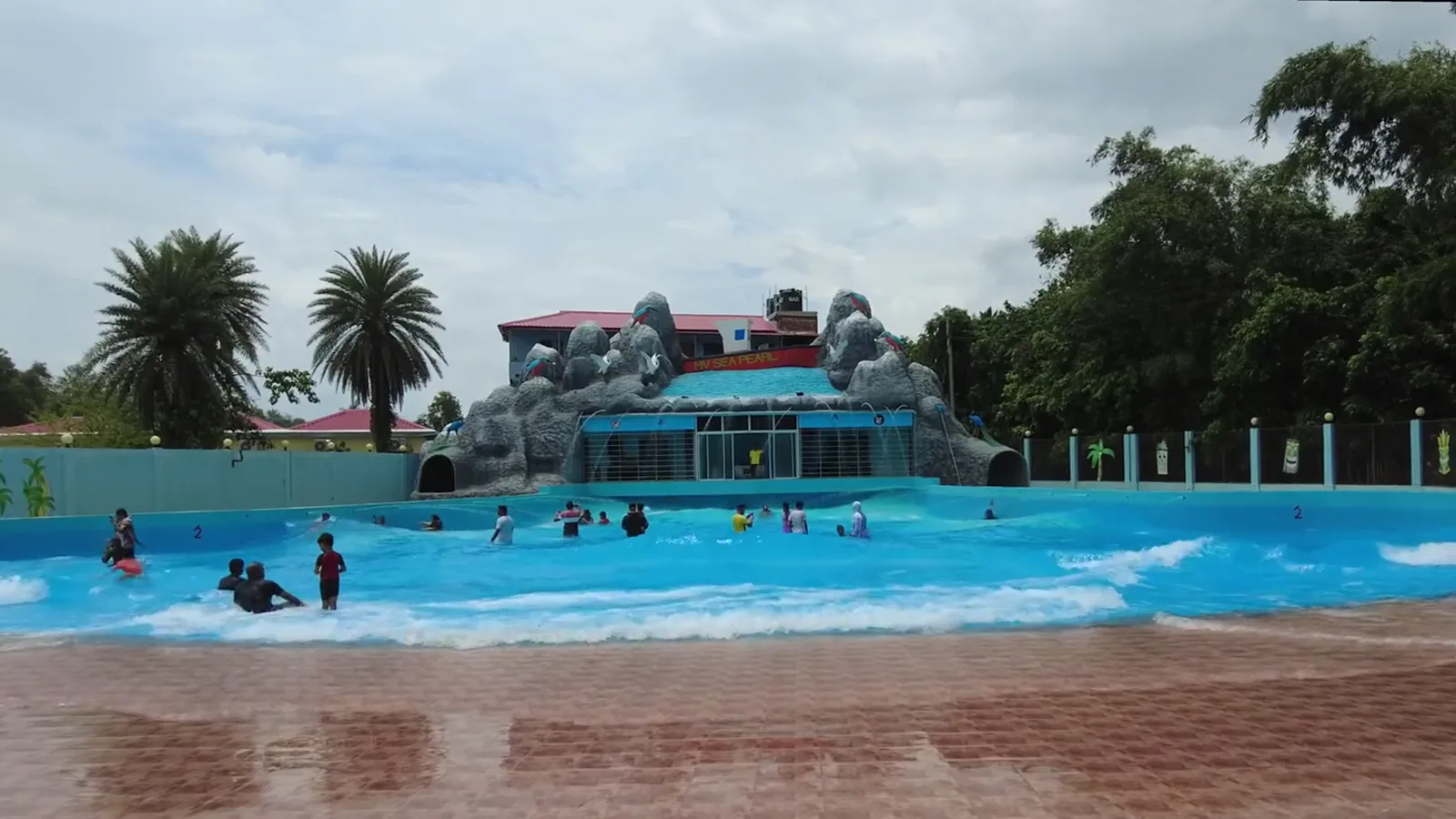 Atmosphere footage
An AUTOURISM editorial article. General travel-planning information, not medical advice or a promise of specific services.
Start with the family’s day, not the postcard
Waterfalls, an old town square and a seaside hotel may inspire a trip, but they do not explain the journeys between them. Assessing a destination for family travel means connecting those places into a real day: when you land, how far you travel, when you eat and where you can stop. A spectacular destination may be cumbersome to navigate, while a less famous one may allow a more relaxed holiday.
For AUTOURISM trips, operated by BEYOND CLUB, distinguish an itinerary idea from a specific offer that can be booked under its stated terms. This article describes questions and principles for researching a destination. It does not establish that every attraction or provider has undergone a particular check. Every service, adjustment and operational detail must be considered in relation to the relevant trip, its date and the arrangements communicated for it.
First layer: examine the whole arrival chain
A short direct flight is not enough to make a destination convenient. Look at departure and arrival times, how long it takes to leave the airport and the journey to the accommodation. Check what happens if you arrive before check-in or after food service ends. Even a flight that looks convenient on paper can produce a long day if it is followed by a lengthy transfer with no suitable stop.
For transfers, ask about vehicle type, seating, luggage capacity, child restraints according to need and local law, and the terms for changes. Map journey times are only a starting point. Check rush hours, possible stopping places and the distance to a reasonable alternative. If a provider says everything is close, request an estimated time and a defined route rather than turning a general description into the figure on which the day depends.
Second layer: break accommodation down into routines
Research does not end with a star rating or room photographs. Examine how breakfast works, distances between rooms and activity areas, and the spaces available throughout the day. If there are several buildings, understand where accommodation units may be and what their location means for walking, stairs and passing through shared areas. The precise room type also changes the picture.
Ask for answers relevant to the actual period of travel. Pool hours, air-conditioning operation and seating availability may change with season and occupancy. A photograph or introductory conversation with a hotel provides information, but does not confirm room allocation or booking availability. As an offer develops, establish which details form part of the binding terms and which remain requests the hotel will only try to fulfil.
Good destination research does not promise there will be no surprises. It clarifies what is known, what needs verification and what still depends on a provider.
Third layer: follow the visitor’s route
At an activity venue, look not only at what visitors see, but at how they enter and leave. Where are passengers dropped off, how far is the walk from parking, is there security, where do queues build up and can you leave before the activity finishes? An experience advertised as an hour may involve more time getting organised. Also establish whether return transport is available at any stage or depends on the whole group finishing together.
Ask concrete questions about the environment. Are there public announcements, changing lights, enclosed areas or sections where stopping is not possible? Can people watch before deciding to participate? Such information helps families assess suitability without relying on sweeping descriptions such as “accessible” or “suitable for everyone”. Children’s preferences differ. The aim is to provide details that support choice, not suggest that every child will experience a place in the same way.
Fourth layer: assess providers through practical questions
A provider may be professional and experienced without knowing the needs of this particular group. Rather than only asking about experience with families, describe an operational scenario: what happens if some participants leave early, a time must change, or an activity does not suit on the day? The answer should explain what is possible, who decides and any costs or restrictions.
Distinguish an impression from a conversation, information gathered, documents checked and a completed agreement. These are different stages, and none guarantees flawless future service. Where licensing or approval is required by the nature of the service and local law, establish the requirements and relevant documentation. Correspondence alone must not become a claim that a provider is approved, booked or committed to delivering a service on a particular date.
Fifth layer: build an alternative that can actually happen
An alternative is more than a line labelled “rainy day”. Find out whether the replacement venue is open that day, how long it takes to reach and whether entry can be booked at short notice. Sometimes the right alternative is skipping an activity and staying near the hotel. Not every change requires a replacement of equal cost or excitement, especially when the point is to reduce demands.
Check who can authorise the alternative and how families will be informed. If it depends on another vehicle, a staff member or advance booking, say so explicitly. Do not present an option as always available if it requires separate approval. Families should know what the confirmed programme includes, which changes may be possible and what would require further checks or additional payment, where applicable.
Sixth layer: document what is not known too
A useful working document separates fact, estimate and open question. Published opening hours are not the same as confirmation of a group visit, and an estimated journey time is not a promise to arrive at a particular minute. For each detail, record the source, the date checked and what must be verified again. This prevents a small change from disappearing inside a general marketing description.
Even an in-person visit, if one took place, is a snapshot at a particular time. Seasonal crowds, building work and staffing may change afterwards. Do not claim a scouting visit without evidence, or present one as a guarantee of every future detail. Responsible research includes being willing to say “not yet known” and return with an answer, rather than filling gaps with promises that will be hard to support when departure arrives.
What families should receive at the end
Families do not need all the research material. They need information that supports a decision: the sequence of days, approximate travel times, the nature of accommodation and activities, included services and known limitations. If there are separate time slots for children and parents, explain the arrangement and conditions. Staff presence does not imply supervision at all hours, and a service described for another trip is not necessarily offered here.
Before registering, ask what is confirmed, what remains subject to change and how updates will be communicated. A destination becomes a trip not when enough beautiful photographs have accumulated, but when the information forms a clear offer whose boundaries people can understand. Reality remains changeable even then. Serious planning does not hide that; it gives families an honest picture and the tools to decide whether the proposed experience suits them at that time.
Related information
A different way to travel: building a day with both experiences and breathing space
A good day abroad is not measured by the number of attractions you visit. Here is how to plan around one clear focus, genuine breaks and room to change direction without feeling that everything has gone wrong.
What really makes a hotel a good choice for a family with an autistic child?
Behind the pool and bedroom photographs lie everyday questions: where you eat, how long you wait and what you hear at night. A practical guide to choosing a hotel around real family life.